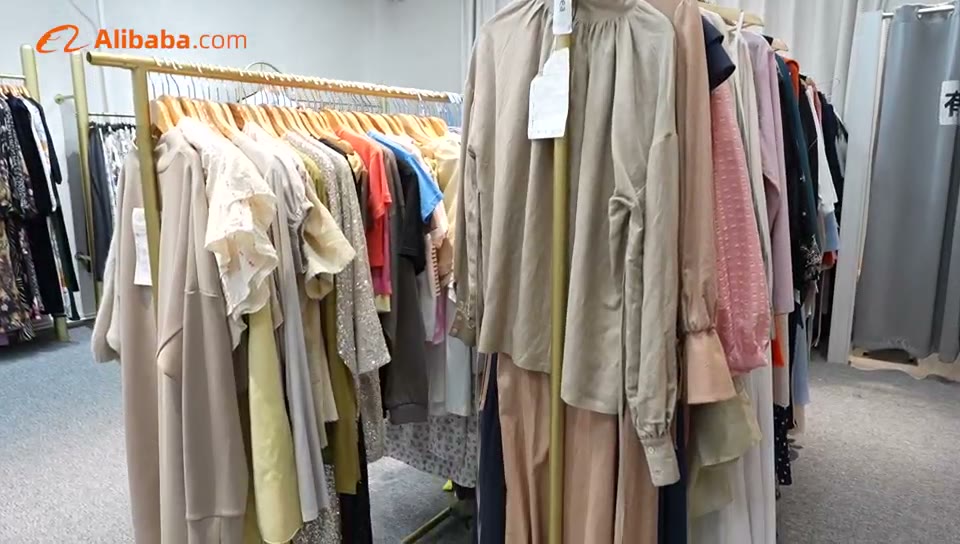
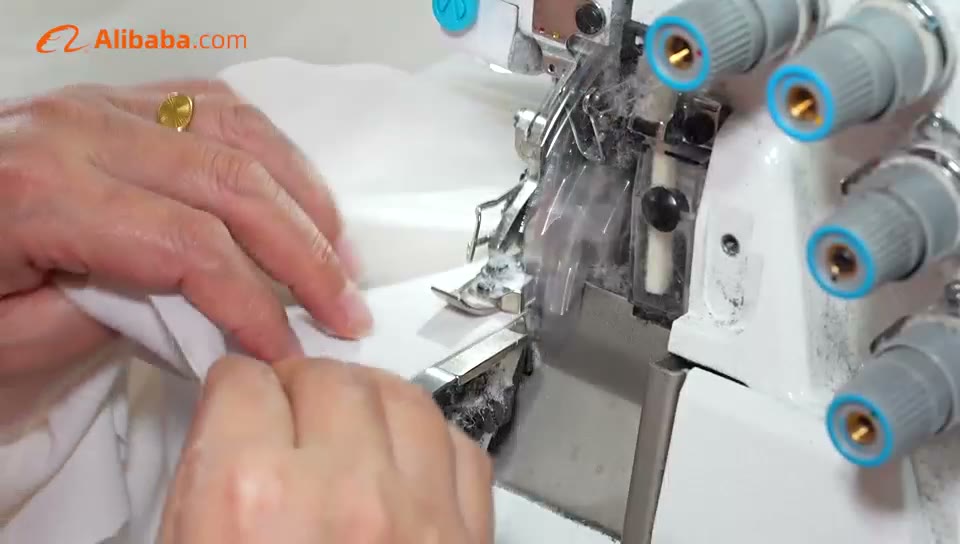
The universe is beautiful because it is in harmony — and the LIUYU philosophy explains how that harmony is achieved: through balance, the Doctrine of the Mean at the heart of Chinese culture. Balance means never walking to extremes; that is why we keep something in reserve. Running a company comes with the duty of sharing this philosophy, and we practise it daily in three relationships: LIUYU and its clients (your success is our success), LIUYU and society (what we take from society, we give back to society), and LIUYU and our people (what we take from the people, we use for the people). We firmly believe that the LIUYU spirit of harmony will earn the trust of clients worldwide and build an enterprise that thrives for a hundred — even a thousand — years.
"Ready-to-wear is the answer given to everyone.
Bespoke is your light — illuminating the world."
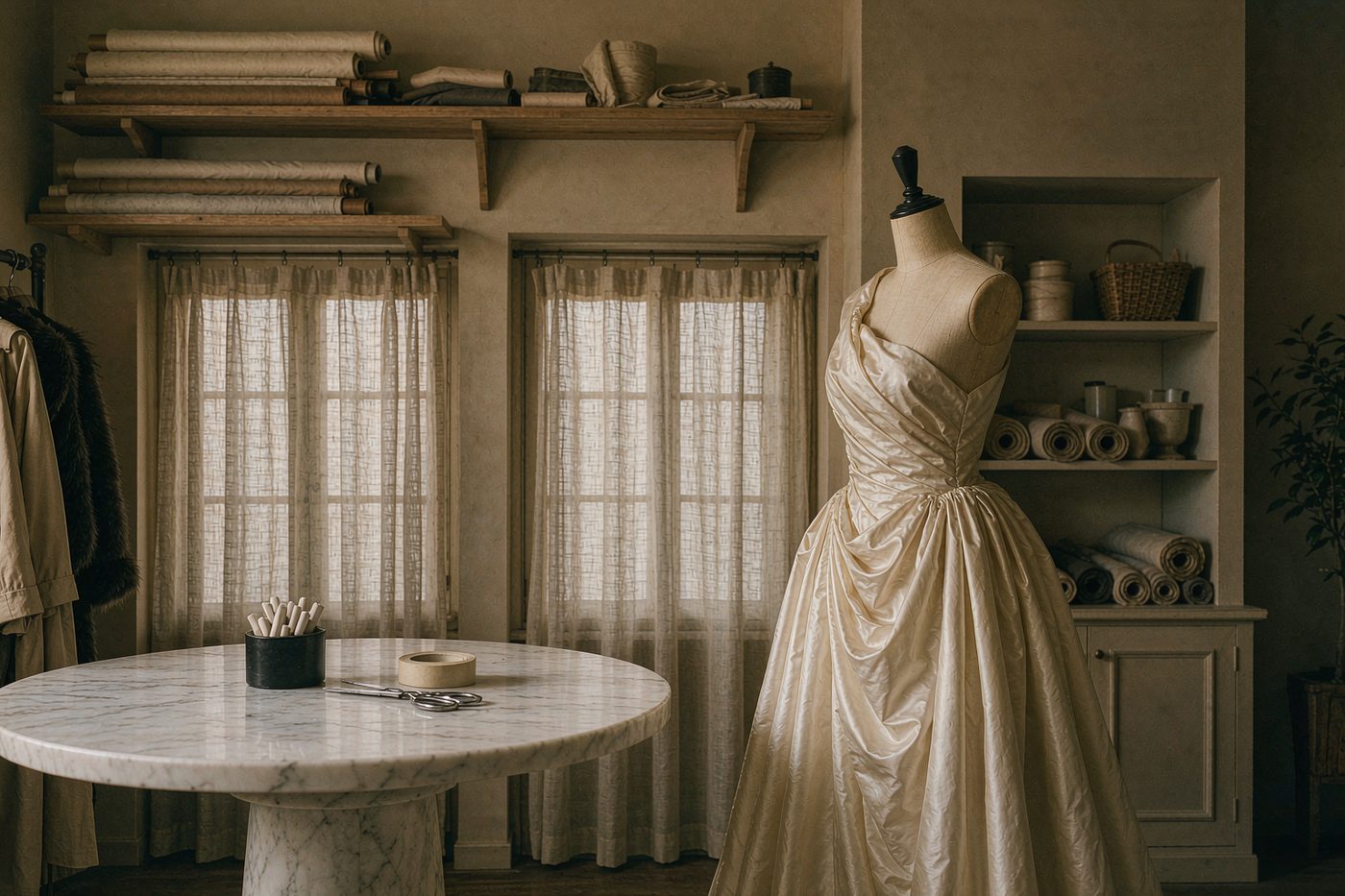
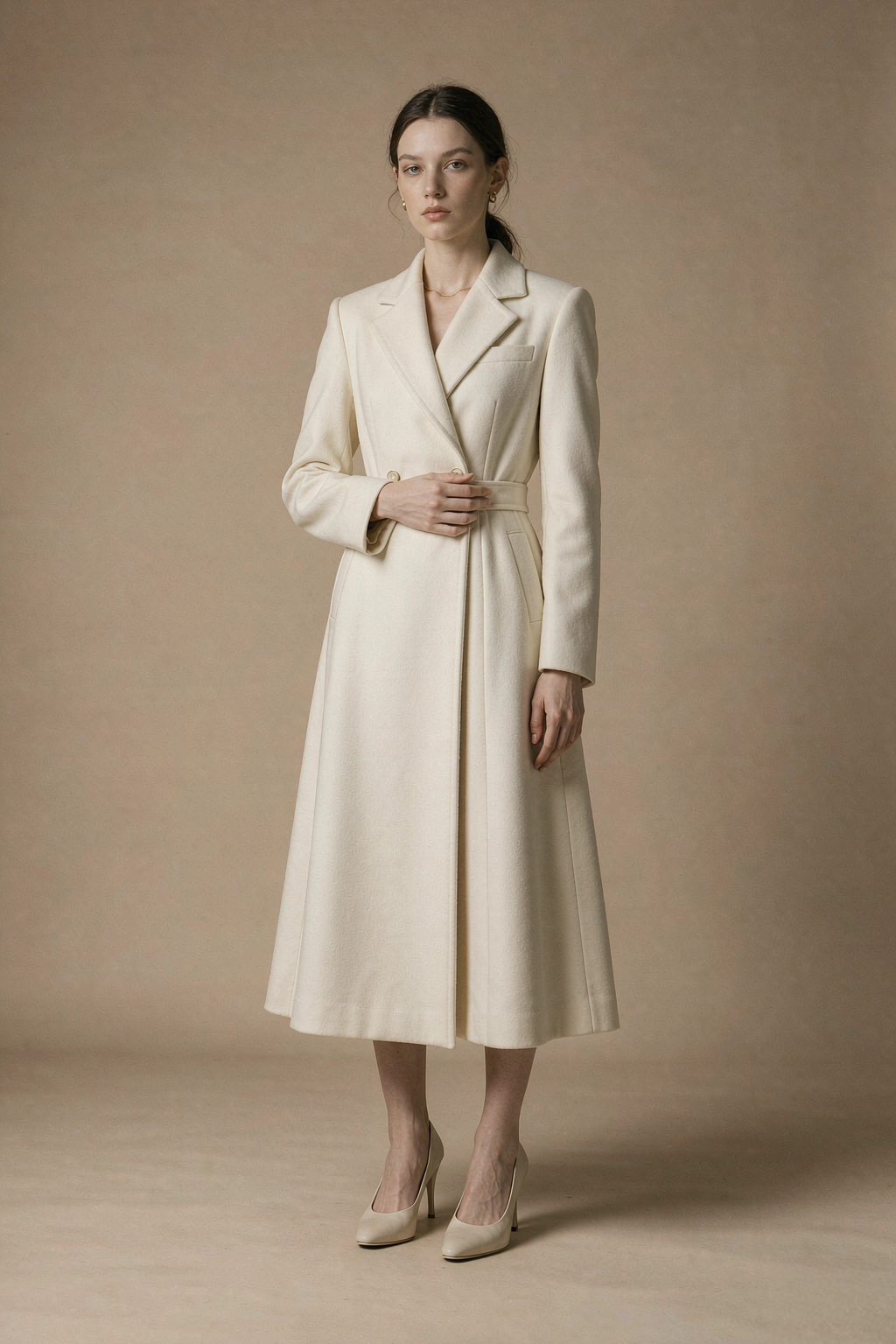
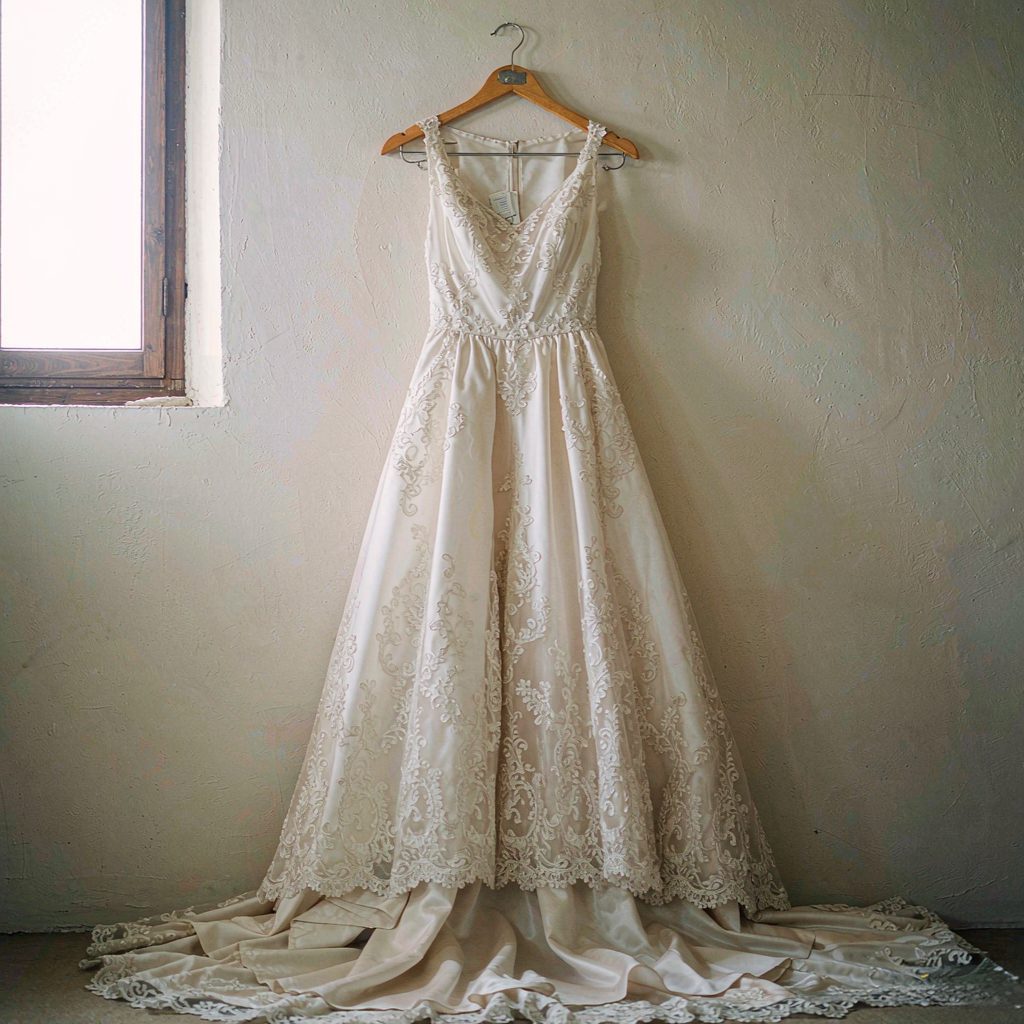
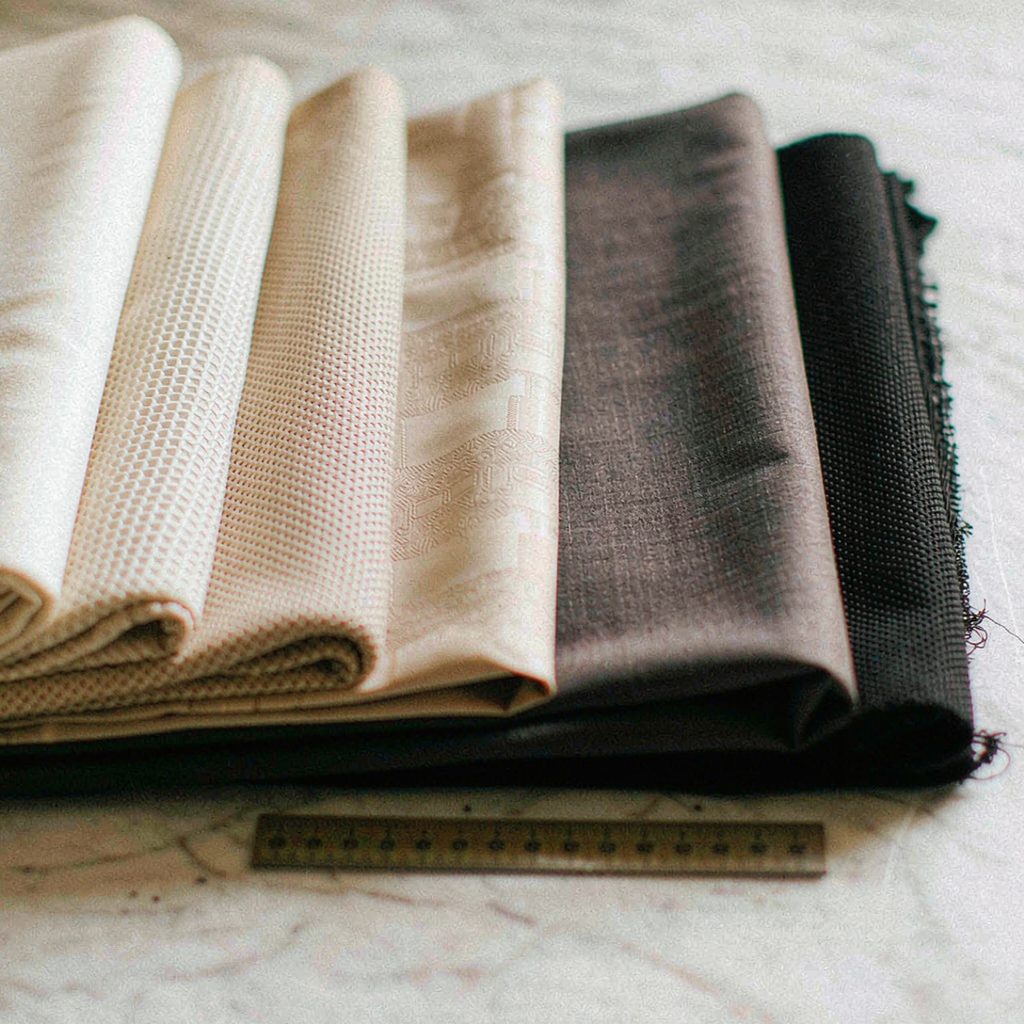
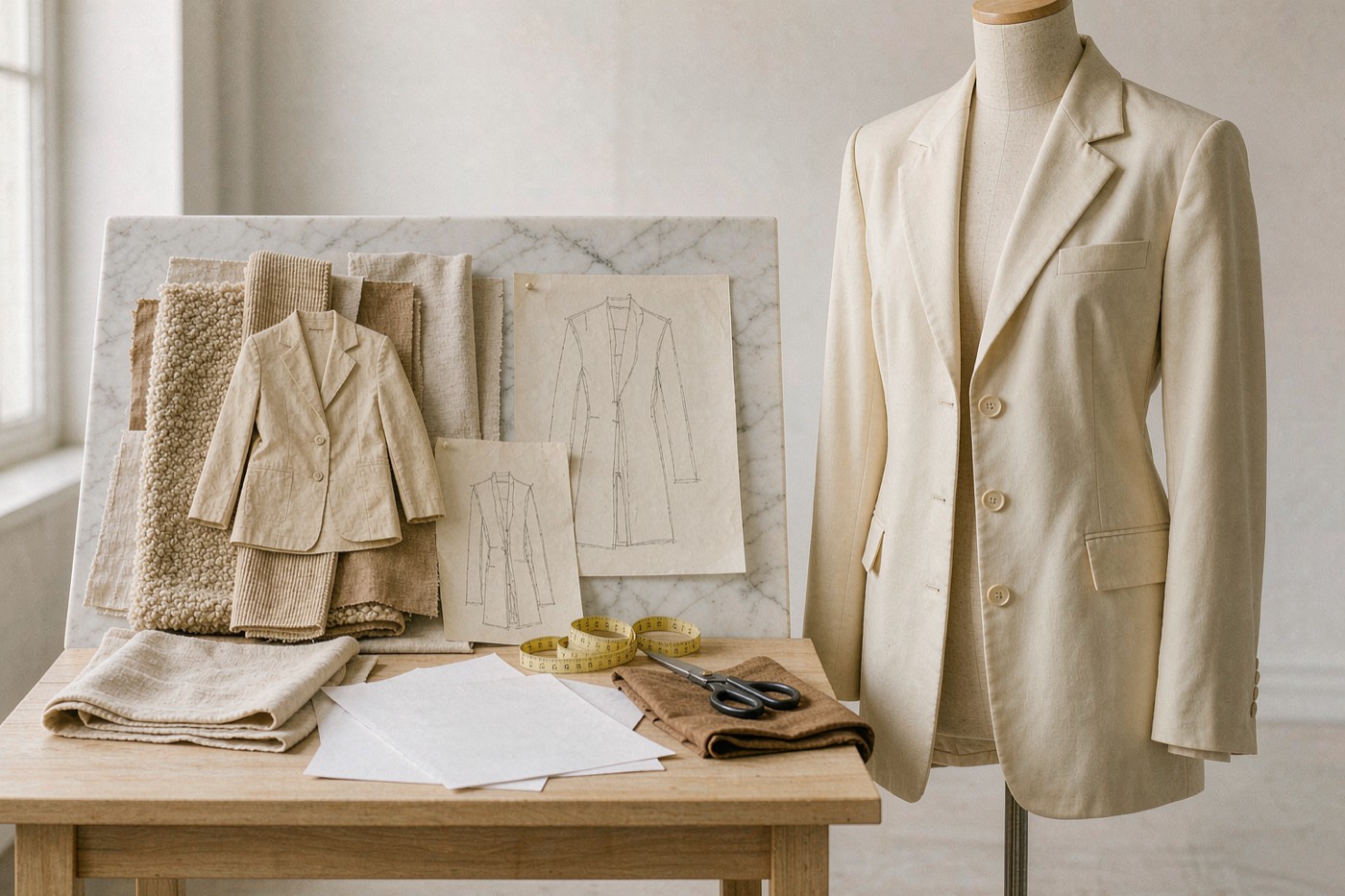
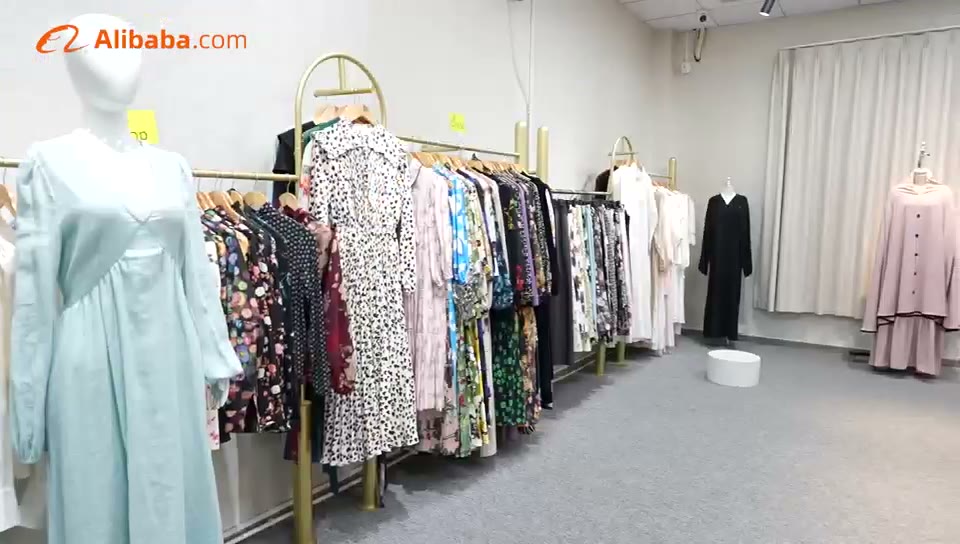
LIUYU was founded in Guangzhou, under Guangzhou Liuyu Garment Co., Ltd., as a factory devoted to high-end womenswear customization. The name comes from a family maxim on leaving room in reserve — and it is also our attitude toward the bespoke trade. We believe that developing clothes a market truly needs begins with understanding: the figures of your consumers, their days, the occasions they dress for, and the brand you intend to become.
We develop with you, look for inspiration with you, land each new season's collection, carry it into batch production, and deliver to your door without worry — backed by an after-sales service of rare conscience. LIUYU is more than a factory: we are our clients' friends. Life, we believe, holds more than the smoke and fire before our eyes — it should also hold poetry, and somewhere far away to go.
Our team of eighty-plus pattern-makers and production staff practices one pattern, faithfully made; craftsmanlike sewing, carefully produced. Born into a family of tailors, our founder unites the restraint of Eastern line with Western structural tailoring — bringing bespoke service and fine garments into your business, and your life.
We place almost no advertisements. Nearly all of our clients arrive by the introduction of another client.
Trust comes before business. We want every client, every partner, every market to rest a little easier because LIUYU keeps its word.
A garment should first reach the heart. Honest commerce is the road that carries that feeling to more people.
Take the long road, and the right road; grow through change; let every craft and every deal return, in the end, to people themselves.
An in-house pattern room and a senior team of pattern makers. A paper pattern ready in as fast as 1 hour, with a 3D on-body effect video generated alongside — preview the look before sampling. Pattern, revisions and first-sample approval handled in one place.
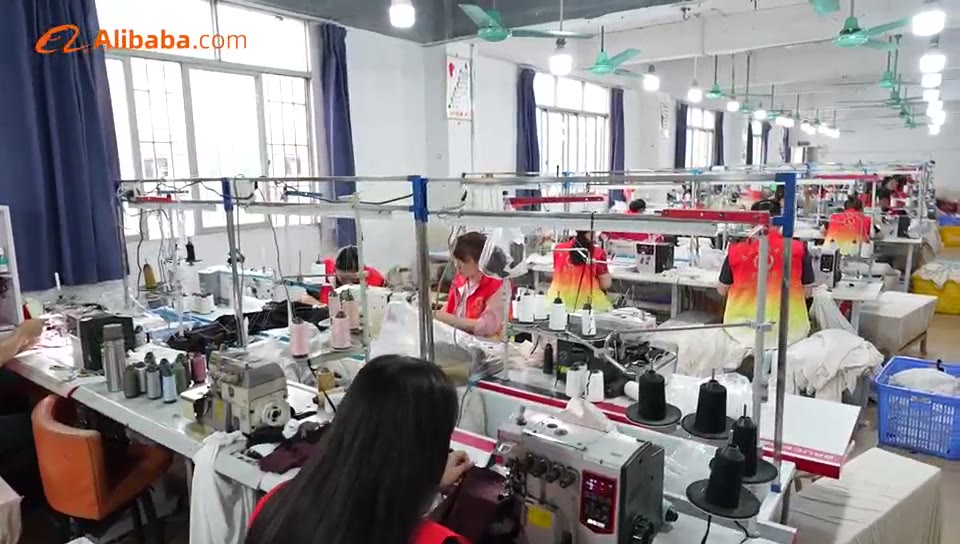
More than a decade in the trade, 307 clients. We place almost no advertisements — nearly all of our new clients come by referral. An Alibaba-verified factory, with credentials and live footage of the workshop open to inspection.
Three gates: incoming fabric inspection, in-process spot checks and full inspection of finished garments. Bulk cutting begins only after the first piece is approved; every panel is checked and every piece pressed, held to the approved sample throughout.
First samples in about 3–5 days and bulk production in about 10–20 days. The bulk schedule is locked once the sample is approved — transparent, and open to your review. Fabric arrival, cutting, finishing and QC are reported as each milestone lands. For peak season, we recommend booking your slot in advance.
Quality feedback answered within 48 hours of shipment. Where the fault is ours, we remake the pieces free of charge or compensate by the defective ratio — the terms written into the contract, not left to goodwill.
Ordinary contractors build to the drawing alone; the pattern maker never speaks to the brand, and every round trip loses information.
Your requirements go straight to the pattern maker, with nothing lost in relay. If the first sample misses, revisions are free until both sides sign it off.
A style the market hasn't tested, one season's stock tied up in advance: unsold is pure loss.
Test the water at a low minimum: scale up what sells, keep no stock in what hasn't proved itself, and carry less risk into every new season.
Launch windows don't wait: new-season drops, e-commerce sales, Ramadan and Eid. Miss one and it is half a year.
Once the sample is approved, the bulk schedule is written into the contract. Fabric, cutting, finishing and QC are reported as they occur, so chasing the factory never becomes your daily habit.
Lines switched, trims swapped, workmanship pared back: the truth shows up only when the goods arrive, too late for rework.
Bulk is made to the signed pre-production sample (PP sample); cutting starts only after the first piece is approved. On-site inspection, or a third-party inspection company, is welcome.
Once the account is settled: no replies, no accountability. It is the story that costs the garment trade the most trust.
We respond within 48 hours of shipment; where the fault is ours, we remake free of charge or compensate by ratio. After-sales is not a favour — it is a clause.
01
A sketch, a mood board, a reference garment — any of these can start our work together. We build the pattern, refine it, and confirm the first sample: an idea you can touch and review.
02
Test the market first at a low minimum: scale up what sells, and never sit on stock that hasn't been proven. Let launching a season carry less risk.
03
Eighty-plus pattern-makers and production staff in-house. Transparent scheduling, dependable lead times, piece-by-piece inspection and pressing — quality held to standard end to end.
04
Seasonal planning, fabric sourcing, development and production run as one — a stable supply chain partner your brand can rely on, season after season.
A founder arrived with three hand-drawn designs and a mood board. We built the patterns, refined them through first-sample review, and carried all eight SKUs into bulk — in time for her debut season.
"From idea to shelf, faster than I imagined — and they understood my designs better than I did."
A quarterly development programme for a womenswear e-commerce team: fabric sourced ahead, samples iterated quickly, production scheduled to match their launch calendar.
"Launch dates don't wait. LIUYU's scheduling has never made me nervous."
A young designer label started with a fifty-piece run. Over two years, order volumes grew season by season with market response — now several hundred pieces per style.
"When things were hardest, LIUYU was the only one willing to take my small order."
Alibaba-verified footage: an ordinary day on the sewing floor, piece-by-piece pressing at the finish, cartons ready to ship — and the familiar faces behind them. Trust begins with seeing.
02'54" · 2.19:1 WidescreenThree short films. Not a single line was scripted — our clients say it themselves, from their own stock rooms and from our factory floor.
Real clients from Australia, Norway and Israel on camera — about quality, response time, and the stock that keeps selling out.
1'33"Our factory director on camera: our own production floor, monthly capacity, the fabric market, and why no order is too big or too small.
0'59"How a first collection comes to life: choosing fabrics, checking stitching, revising samples — all the way to bulk delivery.
1'01"
In-house pattern rooms, small-batch quick response, bulk production, Middle East specialists — how to tell Guangzhou's six factory types apart, with an evaluation checklist.
Read more →
From credentials to after-sales terms — a factory-audit checklist you can take straight to your next supplier, and skip 90% of the usual traps.
Read more →
For a new brand, the most expensive tuition is inventory. On choosing styles, fabric strategy and the pace of scaling up.
Read more →
The same sketch, quotes three times apart. Fabric, labour, workmanship, MOQ — where the cost of a garment actually goes.
Read more →
How long does sampling take? How is the bulk schedule calculated? What happens — and what holds it up — at every stage.
Read more →
Six mainstream decoration techniques compared — cost ranges, fabric compatibility and how to keep bulk production faithful to the sample.
Read more →
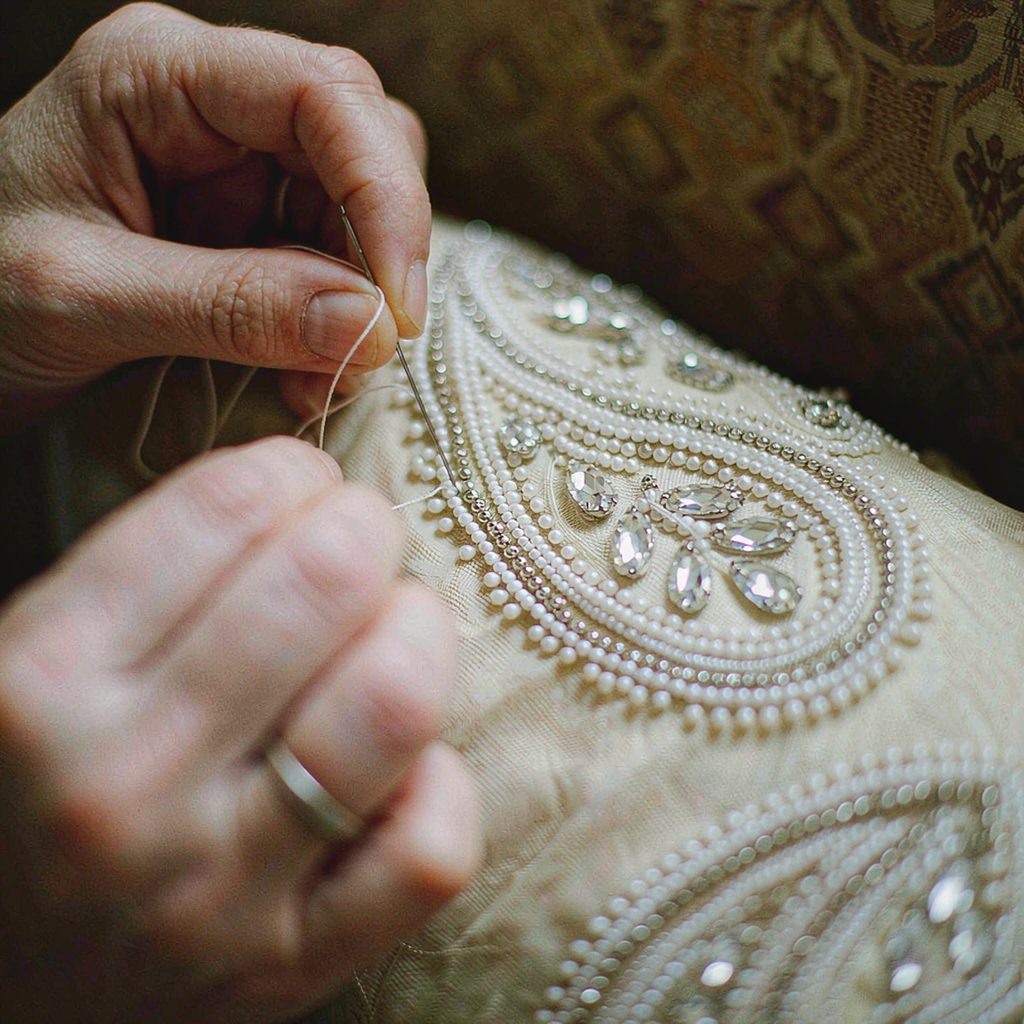
Crystal vs resin stones, template heat-press setting, and the wash-test standards that keep bulk production from shedding stones.
Read more →
Flat, towel-wire, sequin and appliqué embroidery — how stitch count drives price, and the acceptance standards that matter.
Read more →
Which printing method suits which fabric, how pricing works per colour vs per area, and colorfastness acceptance criteria.
Read more →